
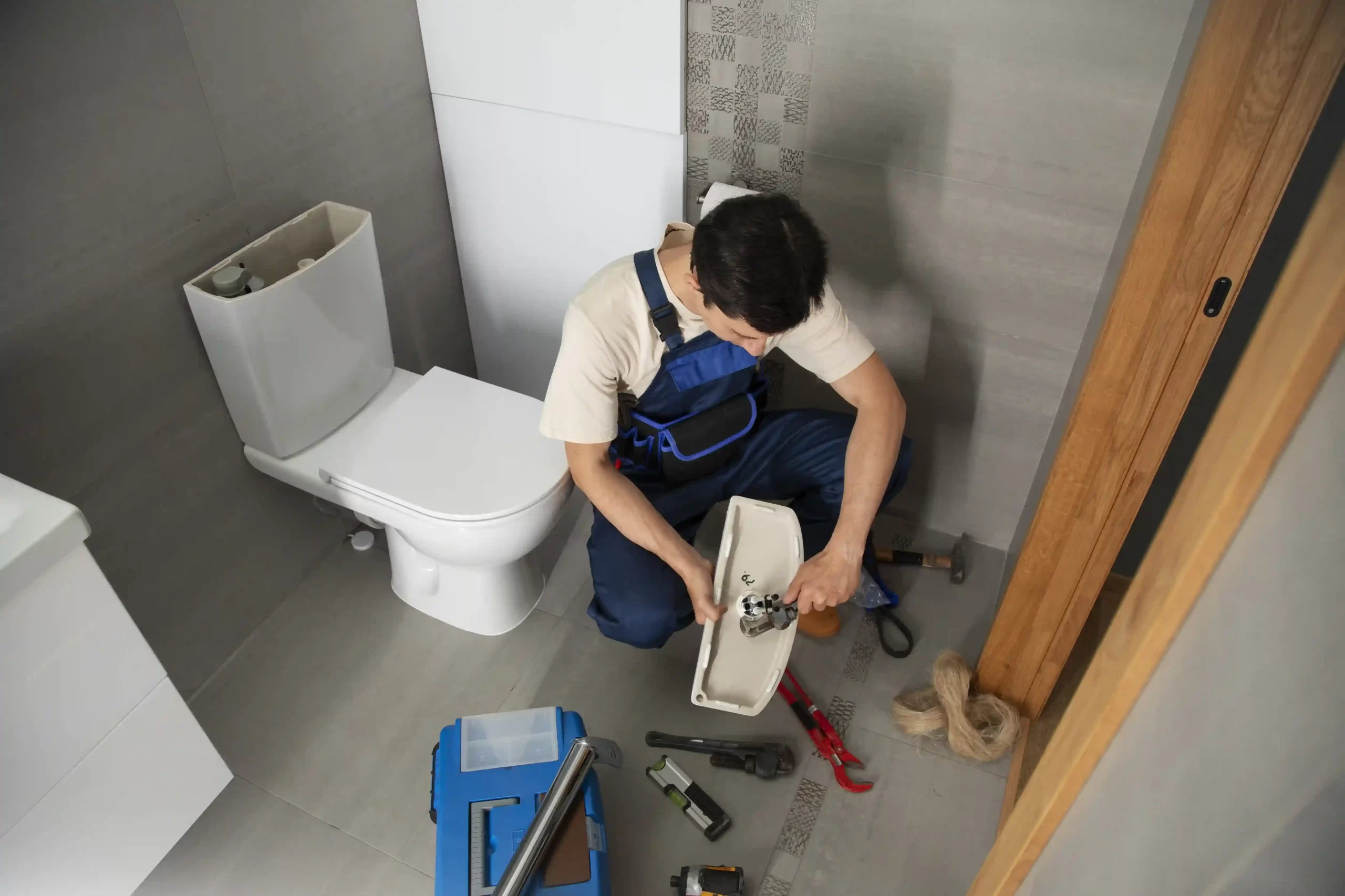
When it comes to maintaining a modern home, ensuring your bathroom fixtures are in peak condition is a top priority for comfort and hygiene. Expert toilet installation in Logan is a specialized task that goes beyond simple DIY, requiring a deep understanding of local plumbing codes and the high standards expected in Queensland properties. From selecting a water-efficient model to ensuring a leak-proof seal, the right approach prevents costly future repairs and protects your flooring from moisture damage. To maintain a truly high-performing system, homeowners should also consider the condition of their pipes; integrating professional Drain Cleaning Services during an upgrade ensures that your new installation isn’t hampered by existing clogs deeper in the line.
24*7 Guide to Effective Toilet Repairs in Queensland
1. Identifying Common Toilet Issues
Before you can start any work, you must accurately diagnose the problem. Most toilet repairs fall into three categories: water flow issues, structural leaks, or drainage blockages.
The Running Toilet
A toilet that never stops running is usually caused by a faulty flapper valve or an incorrectly adjusted float. This is one of the most common reasons for toilet repairs in Queensland homes.
Weak or Incomplete Flushes
If your toilet isn’t clearing the bowl, the water level in the cistern might be too low, or the lift chain may have too much slack.
2. Essential Tools for DIY Repairs
To handle basic toilet repairs yourself, you should keep a dedicated plumbing kit in your garage or laundry.
The Basic Toolkit
- Plunger: A heavy-duty flange plunger is best for toilets.
- Adjustable Wrench: For loosening bolts and water supply lines.
- Multi-head Screwdriver: Necessary for cistern internal adjustments.
- Replacement Washers: Often the culprit in minor leak-related toilet repairs.
Specialized Equipment
For more stubborn clogs, a plumbing snake or closet auger can reach deeper into the S-bend than a standard plunger.
3. Fixing the Flush Mechanism
The internal components of a cistern are made of plastic and rubber, which can degrade over time due to Queensland’s water mineral content.
Replacing the Flapper
- Turn off the water supply valve.
- Flush the toilet to empty the cistern.
- Remove the old rubber flapper and snap the new one into place.
- Reconnect the chain, ensuring there is only a small amount of slack.
Adjusting the Fill Valve
If the water level is too high, it will constantly leak into the overflow tube. Toilet repairs often involve simply turning the adjustment screw on the float arm to lower the water intake.
4. Dealing with Clogs and Blockages
A blocked toilet is an emergency that requires immediate toilet repairs to prevent an overflow.
The Plunging Technique
- Ensure there is enough water in the bowl to cover the plunger head.
- Create a tight seal around the drain hole.
- Use firm, rhythmic up-and-down motions to dislodge the obstruction.
When to Use an Auger
If plunging fails, an auger can be threaded into the pipes. This is a common step in professional toilet repairs when a foreign object is stuck in the trap.
5. Managing Leaks at the Base
Water pooling around the bottom of the porcelain is a sign that the wax seal or pan connector has failed.
Replacing the Pan Seal
This is one of the more intensive toilet repairs as it involves removing the entire toilet from the floor.
- Disconnect the water and bolts.
- Lift the toilet and scrape away the old seal.
- Apply a new wax ring or rubber gasket.
- Reseat the toilet and tighten the nuts evenly.
Inspecting for Cracks
In some cases, leaks aren’t caused by seals but by hairline cracks in the porcelain. If the ceramic is cracked, toilet repairs are usually not possible, and a full replacement is required.
6. Professional vs. DIY: What You Need to Know
In Queensland, specific regulations dictate who can perform certain types of plumbing work.
Minor Maintenance
Homeowners are generally permitted to perform minor toilet repairs such as:
- Changing a tap washer.
- Replacing a cistern washer.
- Clearing a simple blockage with a plunger.
Licensed Plumbing Work
If your toilet repairs involve altering the main sewerage connection or replacing the entire suite, you must hire a licensed plumber. This ensures your home remains compliant with the Queensland Building and Construction Commission (QBCC) standards.
7. Preventing Future Problems
The best way to avoid expensive toilet repairs is through regular maintenance and mindful usage.
What Not to Flush
To keep your pipes clear, never flush the following:
- “Flushable” wipes (which often don’t break down).
- Sanitary products.
- Paper towels or tissues.
- Hair and dental floss.
Regular Inspections
Every six months, check the internal components of your cistern. Catching a worn-out washer early can prevent the need for emergency toilet repairs during a holiday or weekend.
8. Impact of Queensland’s Climate on Plumbing
The heat and humidity in Queensland can affect the rubber and plastic parts inside your toilet tank.
Heat and Rubber Degradation
High temperatures can cause rubber seals to become brittle. Regular toilet repairs in tropical regions often focus on replacing these seals more frequently than in cooler climates.
Managing Condensation
During the humid summer months, “sweating” on the outside of the tank can be mistaken for a leak. Ensure your bathroom is well-ventilated to avoid unnecessary toilet repairs.
Here are additional in-depth sections to expand your blog post on toilet repairs. These sections cover technical troubleshooting, water chemistry, and modern hardware upgrades specifically relevant to the Queensland environment.
9. The Impact of Queensland Water Hardness
Depending on where you live in Queensland, your water supply may contain varying levels of minerals. This “hardness” can significantly impact how often you need to perform toilet repairs.
Calcification of Internal Valves
In regions with high mineral content, calcium and magnesium can build up on the fill valve and flush tower. This buildup prevents the seals from closing tightly. Part of your routine toilet repairs should include soaking removable plastic parts in a vinegar solution to dissolve these deposits.
Protecting Your Ceramic Glaze
Harsh minerals don’t just affect the moving parts; they can stain the porcelain. If left too long, these stains require abrasive cleaning that can damage the glaze, eventually leading to structural toilet repairs if the ceramic becomes porous.
10. Advanced Leak Detection Techniques
Not all leaks are visible to the naked eye. Sometimes, toilet repairs are needed for “silent leaks” that add hundreds of dollars to your Queensland Urban Utilities bill.
The Dye Test Method
To check if your cistern is leaking into the bowl silently:
- Drop a few drops of food coloring into the cistern tank.
- Do not flush the toilet for 15 to 20 minutes.
- If the color appears in the toilet bowl, you have a leak. This simple diagnostic tool helps you identify when toilet repairs are necessary before you see a spike in your water costs.
Monitoring the Water Meter
If you suspect a leak but can’t find it, turn off all taps in the house and watch your water meter. If the dial is still spinning, your toilet repairs might be more urgent than you initially thought.
11. Upgrading Components During Repairs
When you open up a cistern to perform toilet repairs, it is often the perfect time to upgrade the internal components to more durable, modern alternatives.
High-Performance Fill Valves
Old-style ball-cock valves are noisy and prone to bending. Modern “pilot-style” valves are much quieter and more reliable. Swapping these during your toilet repairs can significantly improve the user experience in your bathroom.
Soft-Close Seat Installations
If your toilet repairs were prompted by a cracked seat or loose hinges, consider upgrading to a soft-close model. These prevent the heavy impact of the seat hitting the porcelain, which protects the integrity of the bowl and reduces the likelihood of future ceramic toilet repairs.
12. Sewerage Backflow Prevention
For homes in low-lying areas of Queensland, particularly those prone to flash flooding, toilet repairs may occasionally involve the installation or maintenance of backflow prevention devices.
Understanding the Boundary Trap
The boundary trap is designed to prevent sewer gases and backflow from entering your home. If you notice a “gurgling” sound when you flush, your toilet repairs might actually need to start at the boundary trap rather than the toilet itself.
Seasonal Maintenance
Before the Queensland wet season begins, ensure your external overflow relief gully (ORG) is clear of debris. This prevents sewage from backing up into your bathroom during heavy rain, saving you from catastrophic toilet repairs and sanitation issues.
13. Fixing Ghost Flushing and Pressure Issues
“Ghost flushing” is when the toilet seems to flush itself without anyone touching the handle. This is a common phenomenon that triggers many calls for toilet repairs in Brisbane and beyond.
Identifying the Cause
Ghost flushing is almost always caused by a slow leak from the tank into the bowl. As the water level drops, the float triggers the fill valve to “top up” the tank. While it sounds spooky, the toilet repairs required are usually as simple as cleaning the flapper seat.
High Water Pressure Problems
If your pipes “bang” when the toilet stops filling, you are experiencing water hammer. This high-pressure surge can vibrate the toilet loose from the floor, leading to the need for major toilet repairs. Installing a water hammer arrestor is a common fix recommended by Queensland plumbers.
14. Emergency Temporary Fixes
Sometimes, you need to perform toilet repairs late at night when parts aren’t available. Knowing a few “hacks” can keep your bathroom functional until the hardware store opens.
The Bucket Flush
If the handle or internal chain breaks, you can still flush the toilet by quickly pouring a large bucket of water (about 6-9 liters) directly into the bowl. This creates the necessary siphon action, allowing you to delay the mechanical toilet repairs until morning.
Shut-Off Valve Management
If a toilet is overflowing, the first step in any toilet repairs is to locate and turn the isolation valve clockwise. If the valve is stuck due to age, you may need to turn off the main water supply to the entire house.
15. Environmental Benefits of Timely Repairs
In Australia, we are highly conscious of our environmental footprint. Performing toilet repairs promptly is an act of environmental stewardship.
Reducing Your Carbon Footprint
Pumping and treating water requires significant energy. By performing toilet repairs on a leaking flapper, you are reducing the load on Queensland’s water treatment facilities.
Preservation of Infrastructure
Small leaks can lead to dampness in floorboards and walls. By staying on top of your toilet repairs, you prevent the growth of mold and the decay of your home’s structural timber, which is especially important in the humid Queensland climate.
16. Toilet Repair Safety and Hygiene
Working on plumbing involves exposure to bacteria and potential physical injury. Safety should always come first during toilet repairs.
Personal Protective Equipment (PPE)
- Gloves: Use heavy-duty waterproof gloves to protect against pathogens.
- Eye Protection: Prevents splash-back when clearing clogs or using augers.
- Disinfectants: Always sanitize the area thoroughly after completing any toilet repairs.
Avoiding Ceramic Injuries
Avoiding ceramic injuries is crucial during any toilet repair, as old porcelain can become razor-sharp when it cracks. When working on tasks that require shifting or removing the toilet pan, avoid forcing bolts or nuts—excess pressure can cause the ceramic to snap and lead to serious cuts. For more detailed safety guidance, you can also refer to this home repair safety resource.
Conclusion
Understanding the basics of toilet repairs is an essential skill for any Queensland homeowner, as being proactive with cistern leaks or stubborn blockages can save you from high water bills and significant property damage. While many minor maintenance tasks can be handled with patience, it is vital to call a licensed professional for complex toilet repairs involving structural plumbing or sewage lines to ensure your home remains compliant with local regulations. By prioritizing consistent care and timely intervention, you can keep your bathroom hygienic and your plumbing system in top condition for years to come—so if you are facing a persistent issue, get a quote today to secure your home against major plumbing disasters.
FAQs
1. Why does my toilet keep running after it’s flushed?
A running toilet is usually caused by a faulty flapper or a fill valve that needs adjustment. These types of toilet repairs are common and typically involve replacing the rubber seal or lowering the float height in the cistern.
2. How do I know if I need professional toilet repairs for a clog?
If a standard plunger doesn’t clear the blockage after several attempts, or if water is backing up into your shower or sink, you need professional toilet repairs. This suggests the blockage is further down the main sewer line.
3. Is it safe to use chemical drain cleaners for toilet repairs?
It is generally discouraged to use harsh chemicals in toilets. They can damage the porcelain and the rubber seals, leading to more frequent toilet repairs in the future, and they are harmful to the environment.
4. How much do toilet repairs typically cost in Queensland?
The cost varies depending on the severity of the issue. A simple washer replacement might cost a small call-out fee, while major toilet repairs involving pipe replacement can range from $200 to $500.
5. What causes a toilet to leak from the base?
A leak at the base usually indicates that the wax seal or floor flange has failed. These toilet repairs require lifting the entire toilet to replace the seal, ensuring a watertight connection to the waste pipe.
6. Can I replace my own toilet cistern in Queensland?
Under Queensland law, replacing a cistern is considered regulated work. For these types of toilet repairs, you should engage a licensed plumber to ensure the work is recorded and compliant with local health standards.