
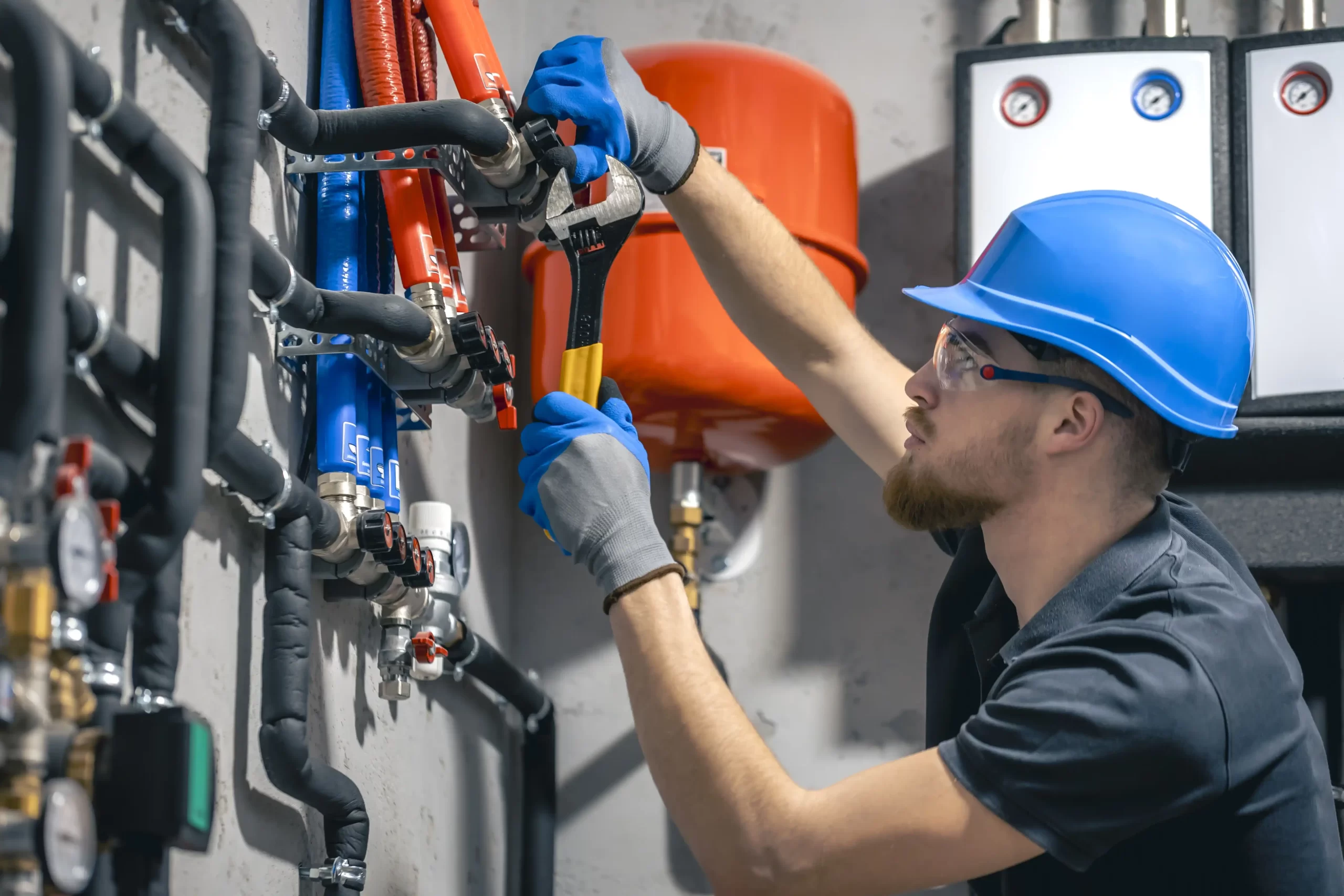
Living in a bustling metropolitan area like Sydney means having a reliable home infrastructure is non-negotiable. Whether you are situated in the Eastern Suburbs, the Inner West, or the North Shore, a professional hot water system installation is the backbone of your daily comfort. From that first morning shower to running the dishwasher after a family dinner, your system works tirelessly behind the scenes, yet even the most efficient plumbing can be disrupted by unexpected drainage issues. Ensuring your home is prepared for all plumbing eventualities—including knowing when to call for professional Toilet Blockage Removal is essential for maintaining a seamless household flow. Engaging with experts ensures that your installation adheres to New South Wales safety regulations, providing long-term energy efficiency and peace of mind for the unique Sydney climate.
Understanding the Importance of a Professional Setup
A water heater is one of the most energy-consuming appliances in any Australian household. Therefore, the way you approach your Hot Water System Installation will have a direct impact on your quarterly utility bills and your home’s overall carbon footprint.
Why DIY is Not an Option in NSW
In Sydney, and across New South Wales, the law is very clear regarding plumbing and gas works. You cannot legally perform a Hot Water System Installation yourself.
- Safety Risks: High-pressure steam and boiling water can cause catastrophic tank failures if valves are not installed correctly.
- Electrical Hazards: Electric units require high-voltage wiring that must be handled by a licensed electrician to prevent fire or electrocution.
- Insurance Validity: Most home insurance policies will be voided if a claim arises from an unlicensed installation.
- Warranty Protection: Manufacturers usually require proof of professional installation to honor their 7-to-12-year warranties.
The Value of Local Expertise
Sydney’s geography means water mineral content can vary from the coastal areas to the foothills of the Blue Mountains. A local expert performing your Hot Water System Installation understands these nuances. They can recommend specific tank linings—such as stainless steel versus vitreous enamel—that will better resist corrosion based on your specific Sydney suburb’s water quality.
Exploring Different Hot Water Technologies
Before committing to a Hot Water System Installation, you must decide which technology fits your lifestyle. Sydney homes typically utilize one of four main types of systems, each with its own set of operational characteristics.
Electric Storage Systems
These are the traditional “big white tanks” found in many older Sydney homes.
How They Work
Electric storage heaters use a heating element submerged in water. They are often the most affordable units to purchase upfront, making them a popular choice for quick replacements.
Efficiency Factors
While the Hot Water System Installation cost is lower, the running costs can be higher unless you utilize “Off-Peak” electricity rates provided by Sydney energy retailers. This ensures the tank heats water during the night when power is cheaper.
Gas Continuous Flow (Instantaneous) Systems
Small, wall-mounted units that heat water only when you turn on the tap.
Endless Hot Water
The primary benefit of choosing gas for your Hot Water System Installation is that you will never run out of hot water. As long as there is a gas supply, the unit will keep heating.
Space-Saving Design
In Sydney’s high-density living areas, such as apartments or townhouses in Pyrmont or Surry Hills, these compact units are ideal because they don’t require a large footprint.
Solar Hot Water Systems
Sydney enjoys a significant amount of sunshine, making solar a viable and eco-friendly option.
Environmental Impact
A solar Hot Water System Installation can reduce your water heating energy consumption by up to 60-80%.
Roof Considerations
These systems require north-facing roof space. If your Sydney home is shaded by large trees or neighboring high-rises, a solar professional will need to assess if the site is suitable before proceeding.
Heat Pump Water Heaters
The modern, high-tech alternative to traditional electric tanks.
Ambient Heat Extraction
Heat pumps work like a refrigerator in reverse. They extract heat from the Sydney air and transfer it to the water tank.
Incredible Efficiency
Even on cooler Sydney winter days, a heat pump Hot Water System Installation uses roughly one-third of the electricity of a standard electric unit, making it a favorite for those looking to save money in the long run.
Technical Comparison of System Types
Choosing the right system requires a side-by-side look at the data. Use the table below to help guide your Hot Water System Installation decision.
| Feature | Electric Storage | Gas Continuous Flow | Solar Powered | Heat Pump |
| Upfront Cost | Low | Moderate | High | High |
| Running Cost | High (Peak) / Med (Off-peak) | Moderate | Very Low | Low |
| Space Required | High | Low (Wall-mounted) | High (Roof + Tank) | Moderate |
| Greenhouse Emissions | High | Moderate | Very Low | Low |
| Typical Lifespan | 10–12 Years | 15–20 Years | 15–20 Years | 10–15 Years |
Sizing Your Hot Water System Installation
Getting the size right is arguably the most important part of the planning phase. An incorrectly sized system will either leave you shivering in a cold shower or costing you a fortune in wasted energy.
Assessing Household Demand
When planning your Hot Water System Installation, consider how many people live in the home and their typical habits.
- 1-2 People: A 125L-160L electric tank or a 16L/min gas unit is usually plenty.
- 3-4 People: This “average” Sydney family usually needs a 250L-315L electric tank or a 26L/min gas continuous flow unit.
- 5+ People: For large households, a 400L tank or multiple continuous flow units linked together may be necessary for a seamless Hot Water System Installation.
Peak Use Times
Do you have two teenagers who take showers at the same time the dishwasher is running? If so, the “flow rate” becomes more important than the “storage capacity.” For more information on Australian energy standards and how appliances are rated, you can visit the Energy Rating Australia website to compare models before your Hot Water System Installation.
The Step-by-Step Installation Process
What actually happens when a professional arrives at your Sydney property? Understanding the workflow can help you prepare the area and manage your day.
Initial Site Audit
The plumber will first check the existing infrastructure. For a gas Hot Water System Installation, they must verify that the gas pipe diameter is sufficient to feed the new unit. For electric units, the proximity to the switchboard is assessed.
Safe Removal and Disposal
The old unit must be drained safely—usually into a nearby gully or drain to avoid flooding your yard. Because old tanks are heavy and full of sediment, professionals use specialized trolleys to remove them without damaging your flooring or garden beds.
Positioning and Mounting
If you are moving from an indoor storage tank to an outdoor continuous flow unit, the plumber will mount the new system to an external brick wall. This part of the Hot Water System Installation involves running new pipework and potentially cutting through masonry.
Compliance and Commissioning
Once the pipes are connected, the system is “commissioned.” This involves:
- Bleeding the Lines: Removing air from the pipes to prevent “water hammer.”
- Temperature Setting: Ensuring the tempering valve is set to exactly 50°C for bathroom outlets.
- Pressure Testing: Checking every joint to ensure there are no leaks.

Sydney Specific Regulations (NSW)
New South Wales has some of the strictest plumbing regulations in the country to protect homeowners.
The BASIX Requirements
If you are building a new home or doing a major renovation in Sydney, your Hot Water System Installation must comply with BASIX (Building Sustainability Index). This usually means you are required to install a high-efficiency gas, solar, or heat pump system rather than a standard electric tank.
Tempering Valves
It is a legal requirement in NSW that all new Hot Water System Installation projects include a tempering valve. This valve mixes cold water with the hot water from the tank to ensure that the water coming out of your taps doesn’t exceed 50°C, preventing accidental scalding.
Location Constraints
In dense Sydney suburbs, there are strict rules about where a gas unit can be placed. It cannot be too close to windows, doors, or air conditioning intakes to prevent exhaust gases from entering the home.
Maintenance: Protecting Your Investment
A Hot Water System Installation is a significant financial commitment. To ensure you get the full 15 years out of your unit, regular maintenance is required.
The Sacrificial Anode
Inside every steel tank is a “sacrificial anode.” This rod is designed to corrode so that the tank doesn’t. In Sydney’s coastal areas, the salt in the air can actually speed up various types of corrosion. Checking this rod every 3-5 years and replacing it can double the life of your system.
Flushing the Tank
Over time, sediment and minerals (especially calcium) settle at the bottom of storage tanks. This creates an insulating layer that makes the heating element work harder. Periodically flushing the tank—a standard part of a professional Hot Water System Installation follow-up service—keeps the unit running efficiently.
Testing the Relief Valves
Every six months, homeowners should gently lift the lever on the Temperature Pressure Relief (TPR) valve. This ensures the valve hasn’t become stuck. If this valve fails, the pressure inside the tank can reach dangerous levels.
Troubleshooting Common Issues
Even with a perfect Hot Water System Installation, you might encounter issues over the years. Knowing when to call a pro is key.
No Hot Water at All
- Electric: Check your circuit breaker. If it has tripped, there may be a leak touching the electrical elements.
- Gas: Check if other gas appliances (like your stovetop) are working. If not, your gas supply might be interrupted.
Rusty Water
This is a clear sign that the internal lining of your tank has failed or the anode rod is completely spent. If you see rust, it is usually time to start planning a new Hot Water System Installation before the tank bursts.
Low Water Pressure
If you only have low pressure on the hot side, there might be a blockage in the tempering valve or a buildup of scale in the pipes. This is a common issue in older Sydney homes with galvanized piping.
Enhancing Efficiency After Installation
Once your Hot Water System Installation is complete, there are several ways to further reduce your energy spend.
Water-Saving Tapware
By installing low-flow showerheads and aerators on your taps, you reduce the total amount of hot water used. This means your heater doesn’t have to work as often, extending its lifespan.
Insulation (Lagging)
If your pipes are exposed to the elements, especially during a Sydney winter night, you lose heat through the pipe walls. Applying foam insulation lagging to the hot water lines is a simple way to keep the water hotter for longer.
Smart Controllers
Some modern gas systems allow for digital controllers to be installed in the kitchen or bathroom. This allows you to set the exact temperature (e.g., 42°C for a shower) so you don’t have to mix in cold water, saving energy and water.
Conclusion
A successful Hot Water System Installation is the result of careful planning, selecting the right technology for the Sydney climate, and ensuring a licensed professional handles the technical setup. By considering factors like household size, energy tariffs, and NSW plumbing codes, you can secure a system that provides consistent comfort while minimizing your environmental impact and monthly costs. Remember that water heating is a long-term investment; choosing quality components and professional labor today will save you from the stress of premature failures and expensive emergency repairs in the future.
If you are currently facing issues with your old heater or are planning a renovation, do not leave your comfort to chance. Contact us today to speak with an expert about your needs or to get a quote today for a reliable and efficient Hot Water System Installation tailored specifically for your Sydney home.
Frequently Asked Questions
How long does a Hot Water System Installation take?
A standard like-for-like replacement typically takes 2 to 4 hours, while a system relocation can take a full day.
What is the most popular system in Sydney?
Many Sydney homeowners are currently switching to Gas Continuous Flow or Heat Pumps due to their high efficiency and space-saving designs.
Can I change from electric to gas during installation?
Yes, a Hot Water System Installation can involve transitioning energy sources, though it requires new gas lines and potentially electrical modifications.
Why is my new hot water system making a humming noise?
Minor humming can be normal as the water heats, but loud vibrations might indicate high water pressure requiring a limiting valve.
Do I need to be home for the installation?
Yes, the plumber will need access to your water mains, electrical switchboard, and internal taps to test the system properly.
What is the average lifespan of a hot water system in Sydney?
With proper maintenance, most storage systems last 10–12 years, while continuous flow gas systems can last up to 20 years.