
Dealing with a clogged loo is a universal frustration, but for homeowners in the Sunshine State, the need for effective toilet blockage removal can be urgent. Whether it’s due to the aging clay pipes found in older Brisbane suburbs or the heavy storm seasons that can overwhelm local drainage systems, knowing how to handle a backup is essential for maintaining a sanitary household. In many cases, a persistent clog isn’t just an isolated incident but a symptom of underlying wear that may require professional Toilet Repairs to prevent recurring plumbing emergencies. In this comprehensive guide, we break down why these issues happen and share professional-grade methods for toilet blockage removal in Queensland to help keep your home hygienic, functional, and stress-free.
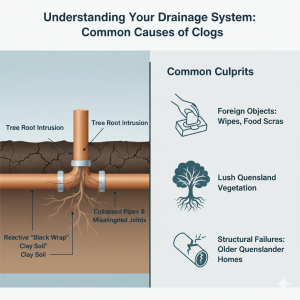
Understanding Your Drainage System
Before diving into the tools, it is important to understand that Queensland’s unique climate and soil types—such as the reactive “black wrap” clay—can cause pipes to shift and crack, leading to recurring issues.
Common Causes of Clogs
- Foreign Objects: Wet wipes, feminine hygiene products, and “flushable” wipes are the primary culprits.
- Tree Root Intrusion: Queensland’s lush vegetation often seeks out moisture in sewer lines.
- Structural Failures: Collapsed pipes or misaligned joints in older Queenslander homes.
7 Proven Methods for Toilet Blockage Removal
When you are faced with rising water levels, don’t panic. Follow these steps to restore flow to your pipes.
1. The Low-Pressure Plunge
The most common tool for toilet blockage removal is the humble plunger. However, not all plungers are created equal.
Choosing the Right Plunger
For a toilet, you need a flange plunger (the one with the extra rubber flap at the bottom) rather than a flat sink plunger. This ensures a tight seal against the toilet drain.
The Technique
- Ensure there is enough water in the bowl to cover the plunger head.
- Push down gently to release air, then pull and push vigorously.
- The suction is often more important than the push for effective toilet blockage removal.
2. Natural Enzyme and Hot Water Solutions
If the clog is organic (like waste or paper), a chemical-free approach can work wonders. This is a favorite for eco-conscious Queenslanders.
The Dish Soap Trick
- Squirt about half a cup of dish soap into the bowl. The lubricant helps the clog slide through the trap.
- Wait 20 minutes.
- Follow up with a bucket of hot (not boiling) water poured from waist height.
Baking Soda and Vinegar
This classic reaction can create enough internal pressure to break up minor obstructions. It is a gentle first step in toilet blockage removal before resorting to harsher methods.
3. The Plumbing Snake or Closet Auger
When the clog is deeper than the bowl’s P-trap, you need more reach. A closet auger is a specialized tool designed specifically for toilet blockage removal without scratching the porcelain.
How to Use an Auger
- Feed the cable into the drain until you feel resistance.
- Crank the handle to rotate the coil through the obstruction.
- Pull back to retrieve the debris or push it through to the main sewer line.
4. High-Pressure Water Jetting
For stubborn buildup or grease-related clogs, high-pressure water is an elite method of toilet blockage removal. While professionals usually handle this, small portable units are available for DIY enthusiasts.
5. The Wet/Dry Vacuum Method
This is an unconventional but highly effective method for toilet blockage removal when a hard object (like a child’s toy) is stuck.
- Step 1: Empty all water out of the bowl.
- Step 2: Place the vacuum hose into the drain and seal the gap with an old towel.
- Step 3: Turn the vacuum to “suction” to pull the object back out rather than pushing it further in.
6. Chemical Cleaners (Use with Caution)
While many reach for store-bought chemicals for toilet blockage removal, they can be hazardous to Queensland’s septic systems and older metal pipes.
Why Professionals Avoid Chemicals
- Corrosion: Acids can eat through older copper or galvanized pipes.
- Heat: Some reactions generate heat that can crack the porcelain of your toilet.
7. Professional CCTV Pipe Inspection
If you have attempted toilet blockage removal multiple times and the problem returns, the issue is likely structural.
Identifying Tree Roots
In Queensland, many blockages are actually caused by tree roots entering the pipes. A professional plumber can use a camera to see exactly where the intrusion is, saving you from digging up your entire yard.
When to Call a Queensland Plumber
Sometimes, DIY toilet blockage removal isn’t enough. You should call a professional if:
- Multiple fixtures (shower, sink, toilet) are backing up at once.
- There is a foul smell coming from your garden or yard.
- The toilet bubbles when you run the bathroom tap.
- You suspect a broken pipe under your home’s foundation.
Effective toilet blockage removal in these scenarios requires specialized equipment like motorized drain cleaners or “hydro-jets” that most homeowners don’t have in their sheds.
Preventing Future Blockages
Once you have successfully achieved toilet blockage removal, the goal is to make sure it never happens again.
The “Three P’s” Rule
The only things that should ever be flushed are:
- Pee
- Poo
- (Toilet) Paper
Regular Maintenance
Pouring a bucket of hot water down your toilet once a month can help clear away minor buildup before it becomes a major need for toilet blockage removal. Additionally, keep an eye on nearby trees; if they are growing rapidly over your sewer line, they may need root barrier installation.
Health and Safety Protocols During DIY Clearance
When attempting toilet blockage removal, it is vital to remember that you are dealing with “black water,” which contains harmful bacteria and pathogens. In the warm Queensland climate, bacteria can multiply rapidly, increasing the risk of illness if proper precautions aren’t taken. Always use gloves, protective eyewear, and disinfectants approved for wastewater handling, and refer to trusted health guidelines such as those provided by the Queensland Government Health Department for safe hygiene practices.
Protective Gear to Wear
- Rubber Gloves: Use heavy-duty, elbow-length gloves to protect against splashes.
- Eye Protection: Safety goggles prevent contaminated water from entering your eyes during vigorous plunging.
- Face Masks: A simple mask can prevent the inhalation of aerosols or unpleasant odors.
Sanitizing the Area
Once the toilet blockage removal is successful, thoroughly disinfect the toilet bowl, the surrounding floor, and any tools used (like the plunger or auger) with a hospital-grade disinfectant to ensure your bathroom remains a hygienic environment.
The Impact of Queensland’s “Fatbergs”
A “fatberg” is a large, solid mass in a sewer system formed by the combination of non-biodegradable solids (like wipes) and congealed fat or cooking grease. These are becoming a major reason for professional toilet blockage removal in growing coastal hubs.
Why Grease and Toilets Don’t Mix
Many people mistakenly pour kitchen fats down the sink, thinking the hot water will carry it away. However, as it travels through the pipes, it cools and hardens. If your toilet line joins the kitchen waste line, these fats can trap toilet paper, leading to a massive obstruction that requires professional toilet blockage removal.
Understanding Rental Laws and Plumbing in QLD
If you are renting a property in Queensland, the responsibility for toilet blockage removal often depends on the cause of the clog.
Tenant vs. Lessor Responsibility
- The Tenant: Generally responsible for the cost of toilet blockage removal if the clog was caused by misuse, such as flushing wipes, hair, or excessive paper.
- The Lessor (Landlord): Responsible if the blockage is caused by structural issues, such as broken pipes or tree root intrusion from the property’s garden.
- Emergency Repairs: Under the RTA (Residential Tenancies Authority), a completely blocked or overflowing toilet is usually considered an “emergency repair,” meaning it must be addressed urgently.
How Queensland Weather Affects Your Pipes
Our local weather plays a bigger role in your plumbing than you might think. Rapid transitions between dry spells and heavy tropical rain can wreak havoc on your drainage.
The Dry Season Cracks
During long dry spells, the soil around your pipes shrinks. This can cause older pipes to crack, creating an entry point for thirsty tree roots. These roots act as a net, catching debris and eventually requiring intensive toilet blockage removal services.
The Wet Season Surge
During the “Big Wet,” heavy rain can seep into cracked sewer lines (infiltration). This extra volume of water can cause the system to back up, making it appear as though you have a clog when the system is simply overwhelmed.
Conclusion
Mastering the art of toilet blockage removal is a vital skill for any resident in Queensland, as being prepared with the right techniques—from a simple plunger to knowing when a CCTV drain inspection is necessary—can save you significant time, money, and stress. While many minor clogs can be resolved with DIY methods, it is important to remember that persistent or recurring backups often signal deeper issues within your plumbing infrastructure that require specialized equipment. For reliable, long-term toilet blockage removal, always prioritize the hygiene of your home and don’t hesitate to reach out to a local licensed expert when a task exceeds your tools; get a quote today to ensure your pipes are cleared professionally and your plumbing remains in peak condition.
Frequently Asked Questions
1. Why is my toilet always clogging in the summer?
Queensland’s summer storms can cause the ground to shift or the main sewer lines to become overwhelmed with rainwater. This pressure can result in a sudden need for toilet blockage removal as the system struggles to drain.
2. Can I use boiling water for toilet blockage removal?
No, you should never use boiling water. The extreme temperature can crack the porcelain of the toilet bowl or melt the wax ring that seals the toilet to the floor, leading to leaks.
3. Are “flushable” wipes safe for my drains?
Despite the label, most plumbers recommend against flushing them. They do not break down like toilet paper and are a leading cause of calls for toilet blockage removal across Queensland.
4. How much does professional toilet blockage removal cost?
Costs vary depending on the severity of the clog and your location in Queensland, but a standard service call usually ranges from $150 to $300, depending on if specialized equipment like jetters are used.
5. What is the best plunger for a toilet?
The “bellows” or “flange” plunger is the best. It creates a better seal in the narrow exit of a toilet bowl compared to a standard cup plunger, making toilet blockage removal much easier.
6. Will a blocked toilet fix itself?
It is very unlikely. While some organic material might soften over time, most clogs require active toilet blockage removal efforts to be cleared completely and safely.